When preparing for several days away, an owner may calculate food portions, fill water containers and test an automatic feeder. Those preparations address supplies. They do not answer who will observe the dog, meet daily needs or respond if something goes wrong.
For dogs with separation-related problems, difficulties can begin early in an absence. Looking at what happens after departure is therefore relevant before planning a long trip.
What the research found
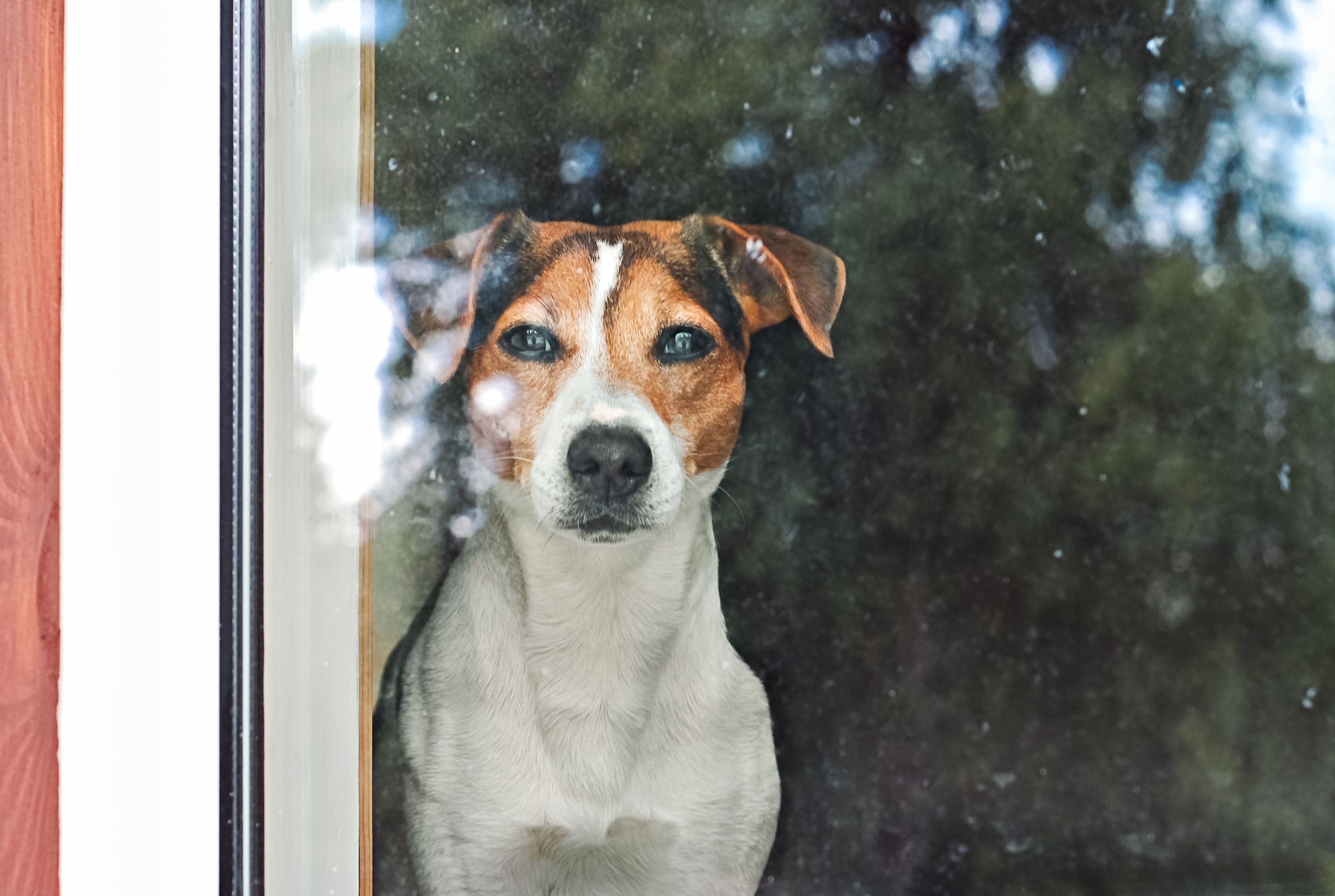
Palestrini and colleagues (2010) filmed 23 dogs with separation-related problems for 20-60 minutes after owner departure. Most showed signs within ten minutes, including vocalising, panting, environmental monitoring or destruction [1]. These were dogs with existing problems, not a representative sample of all pet dogs. The study did not test multiple days alone or automatic feeders.
The practical question for a long trip
"How much food will last until I return?" and "Who is responsible for my dog's care?" need different answers. The first is about supplies; the second needs a person and an arrangement.
A feeder may deliver a portion on schedule without resolving anything about toilet breaks, cleaning, activities or whether the dog is coping. The AKC explicitly advises that automatic feeders do not replace daily human care and should not be used to leave a dog unattended for several days [2]. This care guidance is distinct from the separation study, but both are relevant to planning.

A camera needs someone who can act
Footage can reveal behaviour that leaves no obvious evidence when the owner returns. However, watching from another location does not provide hands-on help. Before travelling, decide who can enter the home, who is actually responsible and what happens if the owner cannot be reached.
If nobody can take over, a suitable boarding arrangement is worth discussing before departure. Waiting until a camera shows a problem creates a much harder situation to resolve.
Do not make a long trip the first test
Previous difficulty with separation is information for planning, not something extra food cancels out. Describe the actual events: when signs begin, whether the dog attempts to escape and how they cope with familiar alternative carers. A relevant video sequence with context is more useful than a broad label such as clingy.
Severe distress or injury during escape attempts calls for veterinary or qualified behaviour support. Having a carer during an absence can be part of management; it should not be presented as a complete substitute for assessment and treatment.
What boarding should add
Compared with leaving equipment as the entire care plan, suitable boarding provides people who take responsibility and can respond. Confirm the specific arrangement rather than assuming every advertised facility includes the same service.
Ask how meals, toilet breaks, activities and rest are organised. What happens if the dog cannot eat or settle? Is familiarisation possible? How will adjustment be communicated? These questions make the choice about the individual dog's needs rather than room photographs alone.
A dog distressed by separation may not immediately relax with an unfamiliar person. Explain the concern before booking and discuss suitability. The benefit comes from a well-matched care plan, not simply changing the address.

Before travelling
Prepare dates, the normal routine, food, health information and relevant behaviour history. Agree on emergency arrangements and a backup contact as requested. If training is also wanted, discuss it separately from general boarding so the scope and expectations are clear.
Planning with Siam Elite K9
If nobody can take over care during your trip, contact Siam Elite K9 about boarding dates and your dog's needs. Ask separately about Board & Train for a stay with training goals. Explain behaviour concerns in advance to discuss an appropriate approach, including Behavior Modification where relevant.
Before leaving, you should know who is caring for the dog each day and who can respond if something changes. Explore services and contact details at https://www.siamelitek9.com/en/service-price-2
References
[1] Palestrini et al. (2010). Video analysis of dogs with separation-related behaviors. https://doi.org/10.1016/j.applanim.2010.01.014
[2] American Kennel Club. Should You Use an Automatic Feeder for Your Dog? https://www.akc.org/expert-advice/nutrition/automatic-feeder-for-dog/